
Marine Biologists Unveil Miniature Octopus Species in Pacific Waters
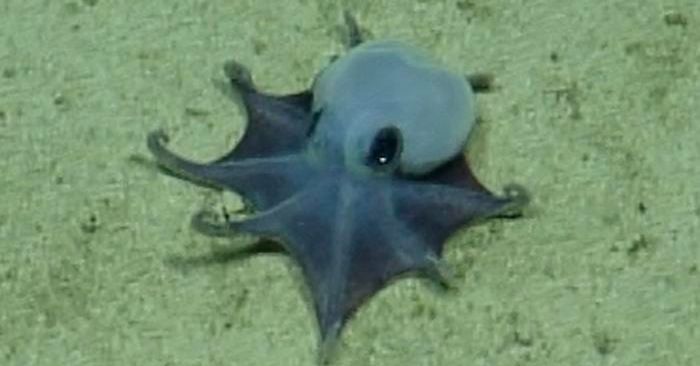
The scientific community has been buzzing with excitement following the identification of a previously unknown octopus species in the remote Pacific archipelago famous for inspiring evolutionary theory. This remarkable discovery adds another fascinating chapter to our understanding of marine biodiversity in one of the world’s most pristine ecosystems.
What strikes me most about this finding is how it perfectly illustrates why we desperately need to protect these unique marine environments. The newly identified cephalopod represents just how much we still don’t know about our oceans, and frankly, that should concern anyone who cares about marine conservation.
Significance for Marine Research
This discovery is particularly valuable for researchers studying evolutionary adaptation and species distribution in isolated marine environments. The small size of this octopus species suggests fascinating evolutionary pressures that have shaped its development over millennia. I believe this finding will be especially relevant for marine biologists, evolutionary researchers, and conservation scientists who are working to understand how species adapt to specific ecological niches.
However, I think it’s important to note that while this discovery is scientifically significant, it may not immediately impact the average person’s daily life. The real beneficiaries here are the scientific community and, ultimately, future generations who will inherit whatever marine biodiversity we manage to preserve today.
Conservation Implications
What really matters here isn’t just the discovery itself, but what it tells us about the health of these marine ecosystems. In my opinion, findings like this should serve as a wake-up call about the importance of protecting remote ocean habitats. These areas continue to yield new species, suggesting they harbor biodiversity we haven’t even begun to catalog.
The timing of this discovery is particularly poignant given the increasing pressures on marine environments from climate change, pollution, and human activity. I believe this new species discovery should be especially relevant for policymakers and environmental advocates who are pushing for stronger marine protection measures.
Research Methodology and Future Studies
The identification process for new marine species requires extensive genetic analysis and morphological studies to distinguish them from related species. What I find most compelling about this particular discovery is how it demonstrates the sophisticated techniques now available to researchers for identifying cryptic species that might have been overlooked in the past.
Moving forward, I expect this discovery will open new research avenues into the evolutionary history of cephalopods in isolated marine environments. This could be particularly beneficial for graduate students and early-career researchers looking for novel research topics in marine biology.
Ultimately, while the discovery of any new species is inherently valuable for science, I believe the broader significance lies in what it reveals about the untapped biodiversity in our oceans and the urgent need for comprehensive marine conservation efforts.