
Affordable Smart Display Glasses Introduce Customizable Designs and Enhanced Stability Features
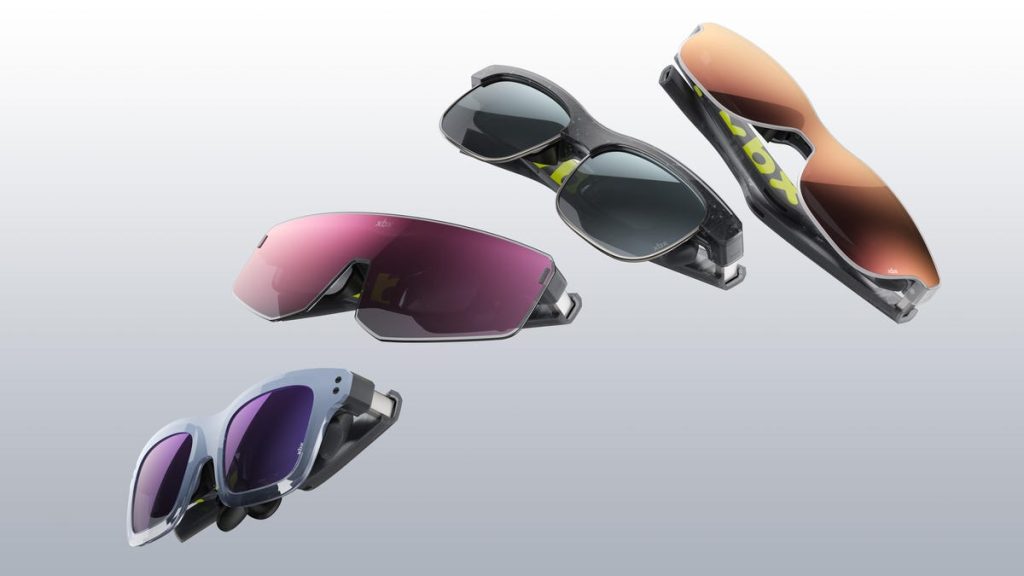
The smart glasses market is experiencing an interesting shift toward more accessible pricing, and I think this trend represents a crucial turning point for mainstream adoption. A new entry in the budget display glasses category promises to deliver premium features at a significantly reduced price point of $299, marking a notable departure from the typically expensive wearable display market.
Technical Specifications and Performance Capabilities
These latest display glasses feature micro OLED technology with an impressive 1,600-nit brightness level, which frankly puts many existing models to shame. The 50-degree field of view, while slightly narrower than premium alternatives, should still provide an immersive viewing experience for most users. What I find particularly compelling is the inclusion of HDR10 support, a feature that was previously reserved for much more expensive devices.
At just 62 grams, the lightweight design addresses one of my biggest complaints about wearable displays – comfort during extended use. This weight reduction is crucial for anyone planning to use these glasses for more than brief sessions, and I believe it could be a game-changer for productivity applications.
Innovative Features That Set Them Apart
The most intriguing addition is the “anti shake” stabilization mode, which tackles a persistent problem in wearable displays. Anyone who has tried to watch content while walking or moving knows how jarring the experience can be. This feature could make these glasses genuinely practical for commuters or travelers, rather than just stationary desk users.
The swappable frame system is brilliant from both aesthetic and practical standpoints. Being able to switch between clear and tinted options means users won’t look conspicuous in office environments while still having sun protection outdoors. This addresses the social stigma that has held back smart glasses adoption – you won’t look like you’re wearing obvious tech gear.
Market Positioning and Target Audience
I see these glasses appealing primarily to three groups: budget-conscious early adopters, professionals seeking portable display solutions, and content creators looking for unique filming perspectives. However, they’re probably not suitable for users demanding the absolute highest image quality or those requiring advanced spatial computing features.
The trade-offs are clear – you lose some premium features like advanced dimming controls and spatial anchoring capabilities. But for many users, these omissions won’t matter if the core display experience delivers solid performance.
Who Benefits Most
Remote workers who travel frequently will find tremendous value in having a portable, large-screen experience. Gaming enthusiasts on a budget might also appreciate the immersive display for compatible devices. Content consumers who want a private viewing experience without the bulk of traditional VR headsets should seriously consider this option.
Who Should Look Elsewhere
Power users requiring cutting-edge display technology or advanced AR features will likely find these glasses limiting. Those with prescription eyewear needs might also face compatibility challenges, depending on the frame design.
The gradual rollout from China to US markets in July suggests the manufacturer is taking a measured approach to international expansion. This cautious strategy makes sense given the competitive landscape, but I hope the delay doesn’t give competitors time to undercut this compelling value proposition.
Overall, I believe these glasses represent exactly what the smart display market needs – accessible pricing without sacrificing core functionality. The success of this product could determine whether display glasses remain a niche enthusiast category or finally break into mainstream adoption.