
Master the Art of Home Bartending: Six Core Techniques Every Cocktail Enthusiast Should Know
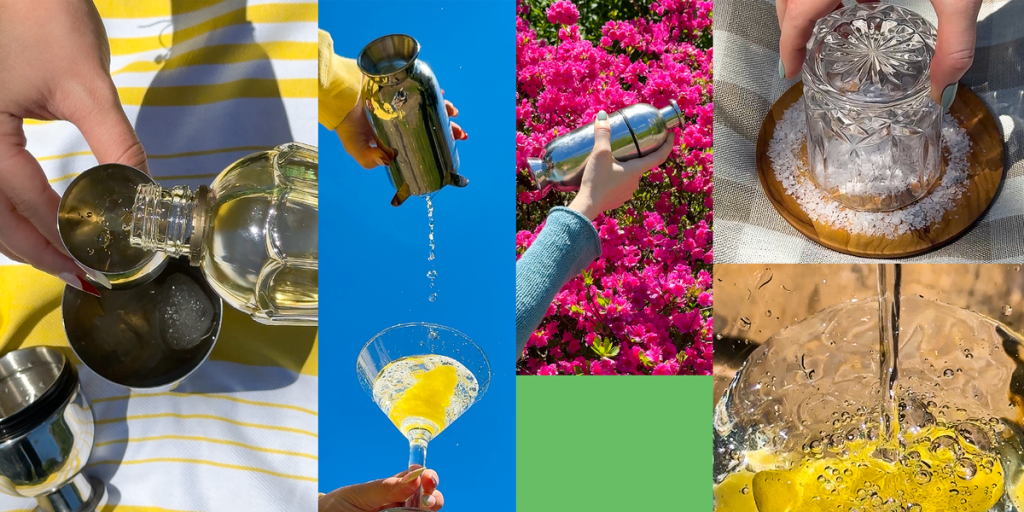
While elaborate ice spheres and premium spirits certainly have their place, I believe the foundation of exceptional home bartending lies not in expensive gadgets but in mastering fundamental techniques. Too many aspiring mixologists get caught up in flashy equipment when what they really need is a solid understanding of basic methods. These six essential skills will transform anyone from a hesitant drink maker into a confident home bartender, and frankly, they’re more valuable than any expensive bar cart.
Precision Measuring: The Non-Negotiable Foundation
Here’s where I see most home bartenders go wrong: they eyeball their pours and wonder why their drinks taste inconsistent. Professional bartending is built on exact measurements, and this principle absolutely applies at home. I cannot stress enough how crucial proper measuring is – it’s the difference between a mediocre drink and a memorable one.
A quality jigger should be your first investment, typically holding 1.5 to 2 ounces with clear measurement markings. For larger batches, a liquid measuring cup becomes essential. This technique benefits anyone who wants consistent results, but it’s particularly crucial for beginners who haven’t developed the muscle memory for free pouring. Experienced bartenders might think they can skip this step, but I’d argue that even they benefit from the reliability that comes with precise measurement.
Shaking: When Energy Creates Excellence
The shaking technique is where many home bartenders either shine or completely miss the mark. This method is specifically designed for cocktails containing non-alcoholic mixers like fruit juices, cream, or syrups – ingredients that need vigorous action to properly integrate.
What makes shaking so effective is how it incorporates air into the mixture, creating a silky texture while enhancing sweetness perception. The key is aggressive action until your shaker becomes frosty cold on the outside. This technique is perfect for party hosts who want to create crowd-pleasing drinks like margaritas or daiquiris. However, it’s completely wrong for spirit-forward cocktails, where the violent action would ruin the drink’s intended character.
Stirring: The Gentle Art of Spirit-Forward Cocktails
Stirring represents the more refined side of cocktail preparation, and it’s where I see the biggest difference between amateur and professional approaches. This technique is reserved for booze-heavy drinks like martinis or Negronis, where the goal is gentle chilling and dilution without disrupting the spirits’ integrity.
The circular motion should be smooth and deliberate, using a proper bar spoon with a twisted handle. This method appeals to cocktail purists who appreciate the subtle art of balancing strong flavors. It’s less suitable for those who prefer fruit-forward or creamy cocktails, as stirring simply won’t achieve the necessary integration for those drink styles.
Rim Preparation: The Overlooked Game-Changer
Rim garnishing is where creativity meets functionality, yet it’s surprisingly underutilized by home bartenders. I think this technique offers one of the biggest impact-to-effort ratios in cocktail making. A well-executed rim adds both visual appeal and flavor enhancement with minimal skill required.
The process involves coating your glass rim with liquid (water or citrus juice), then dipping at a 45-degree angle into your chosen garnish. This technique particularly benefits those who entertain frequently or want to elevate simple cocktails. It’s less important for minimalist drink preferences or those who prioritize speed over presentation.
Muddling: Extracting Nature’s Hidden Flavors
Muddling is perhaps the most misunderstood technique in home bartending. The goal is extracting essential oils and juices from fresh ingredients like herbs, berries, or citrus, but too many people approach it like they’re trying to pulverize the ingredients into submission.
Gentle pressure and twisting motions are key – aggressive muddling can release bitter compounds that ruin your drink. This technique is invaluable for those who love fresh, botanical flavors in their cocktails. It’s particularly rewarding for gardeners who want to use fresh herbs or those who prefer natural flavors over artificial mixers. However, it requires patience and practice, making it less suitable for quick drink preparation or large batch cocktails.
Straining: The Final Touch for Professional Results
Proper straining separates amateur drinks from professional-quality cocktails, yet it’s often treated as an afterthought. The technique ensures your finished drink has the right texture and appearance while controlling dilution through fresh ice selection.
Using a Hawthorne strainer is standard, but double-straining through a fine mesh sieve elevates the technique further. This step matters most for those who appreciate refined presentation and smooth texture. It’s less critical for casual drinking or when serving drinks that are meant to be rustic or textured.
These six techniques form the backbone of competent home bartending. Master them, and you’ll find that expensive equipment becomes less important than solid fundamentals. The investment in learning these skills pays dividends in consistently excellent drinks, whether you’re mixing for yourself or impressing guests.