Developing Nation Assets Experience Turbulence Amid Oil Price Volatility
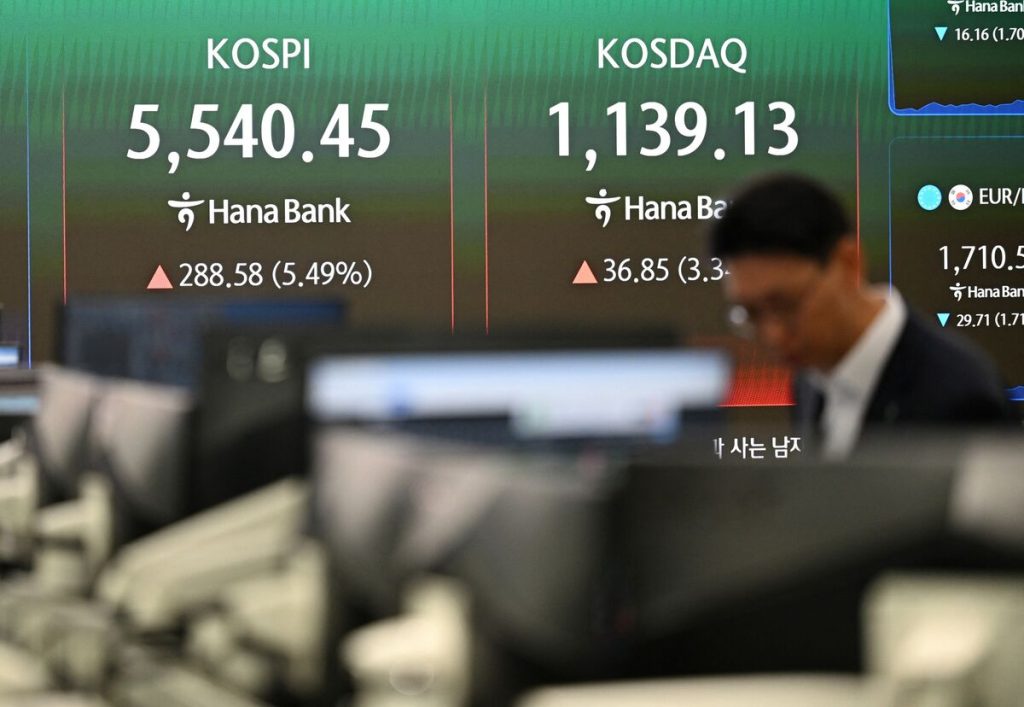
Financial markets in developing economies witnessed significant fluctuations during a tumultuous trading session, with currencies from emerging nations scaling back earlier advances as petroleum prices experienced dramatic swings.
The market turbulence was triggered by conflicting reports regarding naval activities in the strategically important Strait of Hormuz. Initial reports suggested that American naval forces had provided escort services to an oil tanker navigating through the critical waterway, causing immediate ripple effects across energy markets.
However, the situation became increasingly complex as both Washington officials and Iranian authorities subsequently refuted these claims, leading to sharp reversals in oil pricing and broader market sentiment.
The Strait of Hormuz represents one of the world’s most crucial chokepoints for global energy transportation, making any reports of military involvement particularly sensitive for international markets. Even unconfirmed news regarding naval escorts in this region can trigger substantial price movements across commodity and currency markets.
Emerging market currencies, which had shown strength earlier in the session, quickly surrendered their gains as traders reassessed risk levels amid the conflicting information. The rapid shift in sentiment highlighted the fragile nature of current market conditions and the outsized impact that geopolitical developments can have on developing nation assets.
This episode underscores the continued vulnerability of emerging market investments to sudden shifts in global risk appetite, particularly when geopolitical tensions intersect with critical energy infrastructure.