Revolutionary Broad-Spectrum Vaccine Shows Promise Against Multiple Respiratory Threats
Medical researchers have achieved a significant breakthrough in vaccine development, creating an innovative immunization approach that could protect against numerous respiratory pathogens simultaneously. This groundbreaking research represents a departure from traditional vaccination methods that have been used for over two centuries.
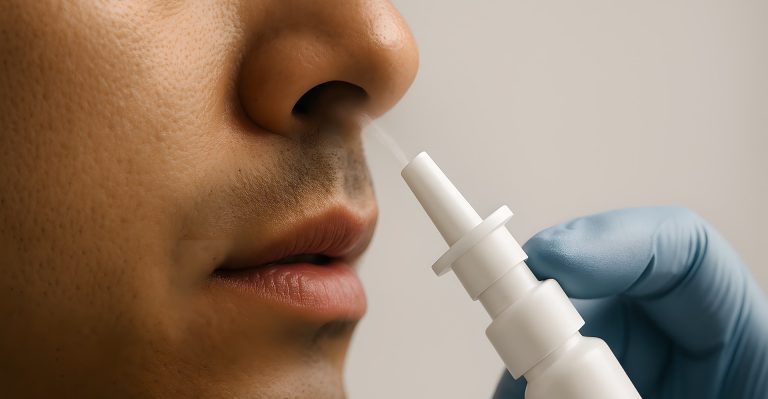
Scientists have successfully developed an experimental vaccine that demonstrates effectiveness against various respiratory viruses, bacterial infections, and even allergens in laboratory studies. The treatment is administered through nasal delivery and has shown the ability to provide extended protection in lung tissue for multiple months.
Breaking Traditional Vaccine Paradigms
Current vaccination strategies have followed the same basic principle since Edward Jenner’s pioneering work in the 1790s: targeting specific antigens unique to particular pathogens. This approach involves training the immune system to recognize distinctive features of threats, such as the characteristic proteins found on virus surfaces.
However, this traditional method faces significant limitations when pathogens undergo genetic changes or when entirely new disease-causing agents emerge. The constant need for updated influenza vaccines and COVID-19 boosters exemplifies these challenges, as microorganisms frequently alter their surface characteristics to evade immune recognition.
Previous efforts to create broader protection typically focused on targeting entire virus families by identifying conserved genetic elements less prone to mutation. The concept of a truly universal vaccine capable of defending against diverse pathogen types was considered highly ambitious and potentially unattainable.
Novel Immune System Integration
The new vaccination strategy employs a fundamentally different approach by mimicking cellular communication signals rather than pathogen components. This method creates a coordinated response between the body’s two primary immune defense systems: innate and adaptive immunity.
Traditional vaccines primarily activate the adaptive immune system, which produces specialized defensive agents like antibodies and T cells that target specific threats and maintain long-term memory. The innate immune system, while capable of rapid response within minutes of infection, typically provides only short-term protection lasting days before adaptive immunity takes over.
The research team recognized the innate system’s remarkable versatility in combating diverse microorganisms. While this protection is naturally brief, it offers something approaching universal pathogen defense. The key innovation involves sustaining this broad protective response for extended periods.
Sustained Protection Mechanism
The experimental vaccine, currently designated GLA-3M-052-LS+OVA, contains components that directly stimulate innate immune cells in lung tissue. It also includes a harmless protein antigen that recruits T cells to the lungs, where they maintain the innate immune response for weeks to months.
Laboratory testing involved administering the vaccine nasally to mice, with some receiving multiple doses spaced one week apart. Animals were subsequently exposed to various respiratory pathogens. Results showed that three vaccine doses provided protection against SARS-CoV-2 and related coronaviruses for at least three months.
Unvaccinated control animals experienced severe illness symptoms, including dramatic weight loss and often death, with inflamed lungs containing high viral loads. Vaccinated subjects showed minimal weight loss, complete survival, and nearly virus-free lung tissue.
Dual Defense Strategy
The vaccination approach provides what researchers describe as a two-pronged attack against respiratory infections. The sustained innate immune response reduces viral presence in lungs by approximately 700-fold, while any pathogens that penetrate this initial defense encounter a rapidly mobilized adaptive immune response.
This primed state allows the lung immune system to launch typical adaptive responses in just three days, compared to the normal two-week timeline in unprotected subjects. Testing expanded beyond viral infections to include bacterial respiratory pathogens like Staphylococcus aureus and Acinetobacter baumannii, with similar three-month protection periods observed.
Remarkably, the vaccine also demonstrated effectiveness against allergic responses. When exposed to house dust mite proteins that typically trigger asthmatic reactions, vaccinated animals maintained clear airways while unvaccinated subjects developed significant mucus accumulation and inflammatory responses.
Future Clinical Development
Researchers anticipate beginning human trials with initial Phase I safety studies, followed by larger efficacy trials if preliminary results prove successful. Scientists estimate that two nasal spray doses might provide adequate protection in humans.
Under optimal funding conditions, this universal respiratory vaccine could potentially reach clinical availability within five to seven years. Such a development could revolutionize seasonal vaccination practices and provide crucial protection against emerging pandemic threats.
The research involved collaborative efforts from multiple institutions, including Emory University School of Medicine, the University of North Carolina at Chapel Hill, Utah State University, and the University of Arizona. Funding support came from the National Institutes of Health, along with various endowment and philanthropic sources.