
Affordable Smart Glasses Tackle Motion Sickness with Revolutionary Stabilization Technology
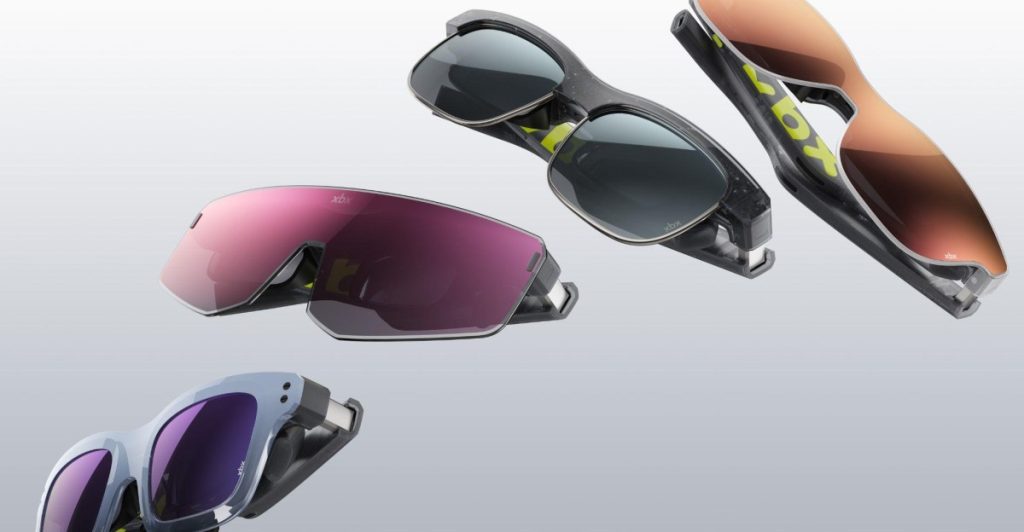
The augmented reality wearables market is finally addressing one of its most persistent problems: motion-induced visual distortion. A new entry-level smart glasses model priced at $299 introduces groundbreaking stabilization technology designed specifically for users on the move, whether they’re commuting on bumpy trains or enduring turbulent flights.
What I find most compelling about this development is how it tackles a real-world problem that premium AR devices have largely ignored. While expensive headsets focus on complex tracking systems and immersive experiences, this approach prioritizes practical usability. The anti-shake algorithm represents what I believe is the right direction for consumer AR technology – solving actual user pain points rather than chasing flashy features.
The device weighs just 62 grams and features interchangeable front frames in three distinct styles: Sport, Stealth, and Classic. This customization approach is smart, though I suspect it’s primarily a marketing play to differentiate from competitors. The real value lies in the stabilization technology that promises to maintain image clarity during movement.
Who Benefits Most from Motion-Stabilized AR
This technology is a game-changer for frequent travelers and commuters who want to consume media content during their journeys. I think business professionals who spend hours on trains or planes will find this particularly valuable – finally being able to work or watch content without the nausea-inducing shakiness that plagues traditional AR displays.
However, this isn’t for everyone. The 1,600-nit HDR10 display sounds impressive on paper, but the lack of an integrated battery is a significant limitation. Users must remain tethered to their devices via wired connections, which I find counterproductive for a product marketed toward mobile use. This constraint makes the glasses less appealing for casual users who expect wireless freedom from their wearable tech.
The Reality of Budget AR Technology
What’s missing from this equation is advanced spatial tracking – the device lacks the degrees-of-freedom support found in premium AR glasses. While the anti-shake feature addresses motion blur, it doesn’t provide the immersive head-tracking capabilities that define true augmented reality experiences. This positions the product more as enhanced mobile display glasses rather than genuine AR technology.
I believe this represents a smart market positioning strategy. By focusing on solving one specific problem well – motion stability – rather than attempting to compete with high-end AR features, the manufacturer has created a product that serves a distinct user base. The $299 price point makes it accessible to consumers who want AR-like functionality without the premium cost.
The interchangeable frame concept adds aesthetic appeal, though I question whether users will actually purchase multiple frame styles. This feels more like a differentiating feature for retail appeal rather than a practical necessity. The real test will be whether the stabilization technology delivers on its promises during real-world use in challenging motion environments.