
Celebrity’s Candid Confession About Cosmetic Surgery Sparks Important Conversation
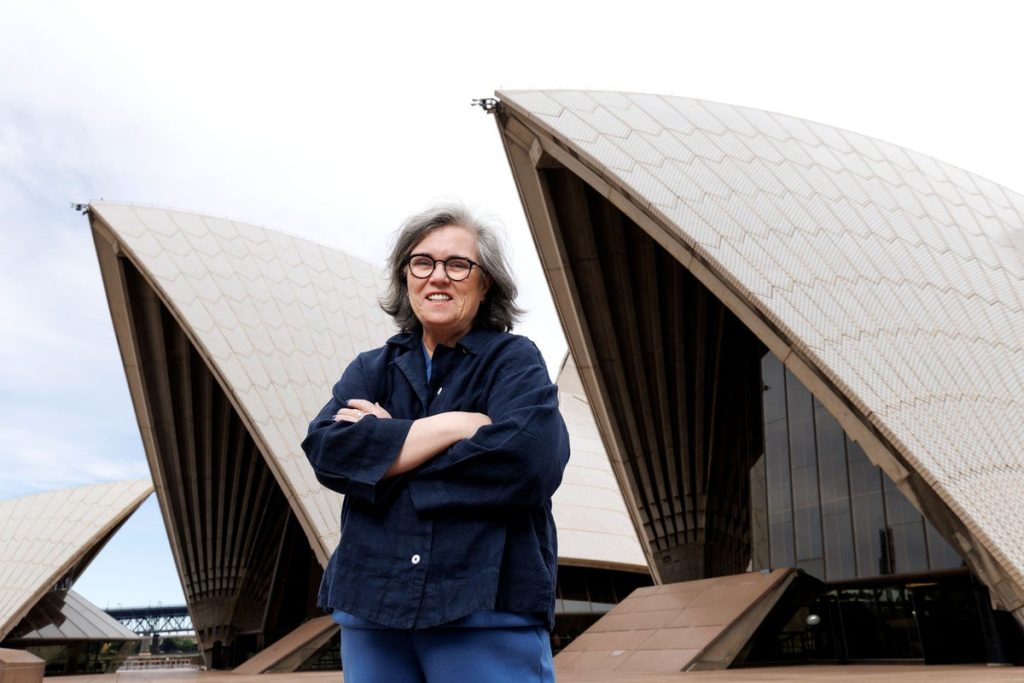
A prominent entertainment figure has opened up about her decision to undergo facial cosmetic surgery, revealing the complex emotions and moral struggles that accompanied her choice. The 64-year-old performer’s honest account provides a fascinating glimpse into how even the most outspoken advocates against plastic surgery can find themselves reconsidering their positions.
What strikes me most about this revelation is the raw honesty involved. In a culture where celebrities often hide their cosmetic procedures or downplay their significance, this level of transparency is refreshing and necessary. The entertainer admitted to getting a lower deep plane facelift after losing 50 pounds through diabetes medication, describing how the dramatic weight loss left her with loose skin that made her feel like she was “melting with intention.”
This confession is particularly relevant for women over 50 who are grappling with similar decisions. The performer had previously been a vocal opponent of cosmetic surgery, viewing it as a betrayal of feminist principles and natural aging. Her change of heart illustrates how personal circumstances can challenge even our most firmly held beliefs.
The most compelling aspect of her story involves her 13-year-old child’s reaction to the decision. When the teenager discovered the plan, they expressed disappointment, saying “You earned your wrinkles” and “Young women look up to you.” This intergenerational tension highlights a crucial point: our choices about aging and appearance don’t exist in a vacuum—they influence how younger people view themselves and their options.
I believe this story will resonate most with middle-aged women who are facing their own decisions about cosmetic procedures. It won’t be as meaningful for younger audiences who haven’t yet experienced the physical changes that come with significant weight loss or aging. The performer’s struggle between personal desires and public image is something many public figures face, but it’s especially poignant for those who have built their reputation on authenticity.
What’s particularly interesting is her admission that “no one has noticed” the changes from her surgery. This raises questions about whether expensive cosmetic procedures deliver the psychological benefits people expect. The performer spent more on the facelift than she’d ever paid for a car, yet the results were so subtle that even her own child didn’t notice.
The guilt she expresses about the cost and her “privileged place in this world” touches on an important social justice issue. While she had the financial means to address her insecurities surgically, millions of women struggle with similar feelings about aging without access to such options. This disparity in healthcare and cosmetic choices reflects broader inequalities in our society.
For women considering similar procedures, this story offers valuable perspective. The performer’s experience suggests that cosmetic surgery might not provide the dramatic confidence boost or external validation that people expect. Instead, it might be more about personal comfort and feeling like yourself again after significant physical changes.
Her decision to be transparent about the procedure, despite feeling shame and guilt, serves an important purpose. It normalizes the conversation around cosmetic surgery for older women while acknowledging the complex emotions involved. This kind of honesty is exactly what the beauty and aging conversation needs—less judgment and more understanding of individual circumstances.
The timing of this revelation, as the performer prepares for what she calls “act 3” of her life, suggests a broader reflection on aging, identity, and authenticity. Her journey from moral opposition to personal acceptance illustrates how life experiences can reshape our perspectives in unexpected ways.