
East Harlem Grocery Development Reveals Pattern of Excessive Public Spending on Single Site
When a single grocery store development receives $25 million in taxpayer funding before eventually ballooning to an $80 million total investment, it raises serious questions about municipal spending oversight and project management. This is exactly what has unfolded in East Harlem, where a grocery store site has become a textbook example of how public-private partnerships can spiral out of control.
The Financial Timeline That Should Concern Every Taxpayer
The progression of costs at this East Harlem location tells a troubling story. Initial public investment of $25 million was followed by an additional $55 million commitment, creating what critics rightfully describe as a financial boondoggle. As Columbia University professor Stephen Zagor aptly noted, given these astronomical figures, one might expect luxury fixtures throughout the facility.
I believe this case perfectly illustrates why taxpayers should be deeply skeptical of large-scale public investments in private retail projects. While grocery stores serve essential community needs, the scale of public funding here defies rational economic justification.

Who Benefits and Who Bears the Cost
The primary beneficiaries of such arrangements are typically the private developers and contractors who secure guaranteed payments regardless of project performance. Local residents may eventually gain access to fresh food options, but they’re also bearing the long-term tax burden of this expensive venture.
Small business owners and independent grocers should be particularly concerned about this precedent. When government subsidizes large-scale retail developments to this degree, it creates unfair competitive advantages that can undermine existing local businesses who operate without such generous public support.
The Broader Implications for Urban Development
This East Harlem situation reflects a troubling trend in urban development where public officials seem willing to commit enormous taxpayer resources to projects that private markets wouldn’t support independently. If a grocery store truly served vital community needs in a financially viable location, private investment should be sufficient.

The reality is that most communities manage to support grocery stores without eight-figure public subsidies. This suggests either poor site selection, unrealistic development costs, or both. Either way, taxpayers are left holding the bill for what appears to be fundamentally flawed project economics.
What This Means for Future Public Investment
I think this case should serve as a cautionary tale for municipal leaders nationwide. When public investment in a single retail location exceeds the cost of building entire schools or community centers, something has gone seriously wrong in the priority-setting process.
Residents and taxpayer advocates should demand detailed justifications for any future retail subsidies of this magnitude. The East Harlem grocery project demonstrates how quickly public commitments can escalate when proper oversight mechanisms aren’t in place.
Moving forward, communities would be better served by smaller-scale investments that support multiple local businesses rather than concentrating massive resources on single developments that may or may not deliver promised benefits to residents who ultimately fund them.
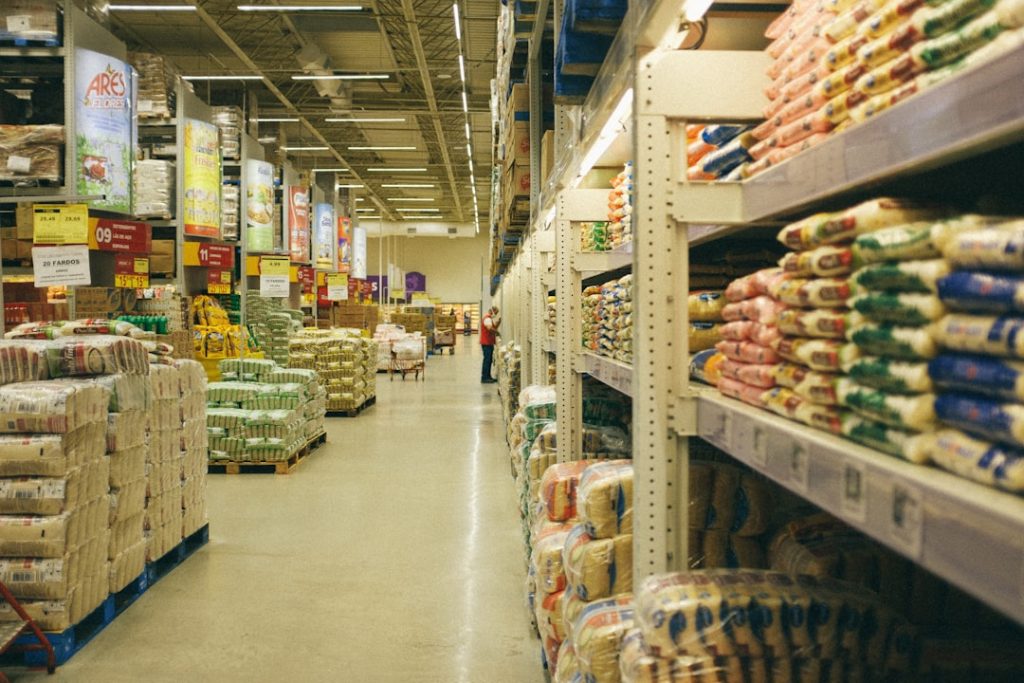
Photo by Dennis Siqueira on Unsplash
Photo by Marques Thomas on Unsplash