
Hidden Power Drains Cost Households $100 Annually: Testing 18 Devices Reveals Shocking Results
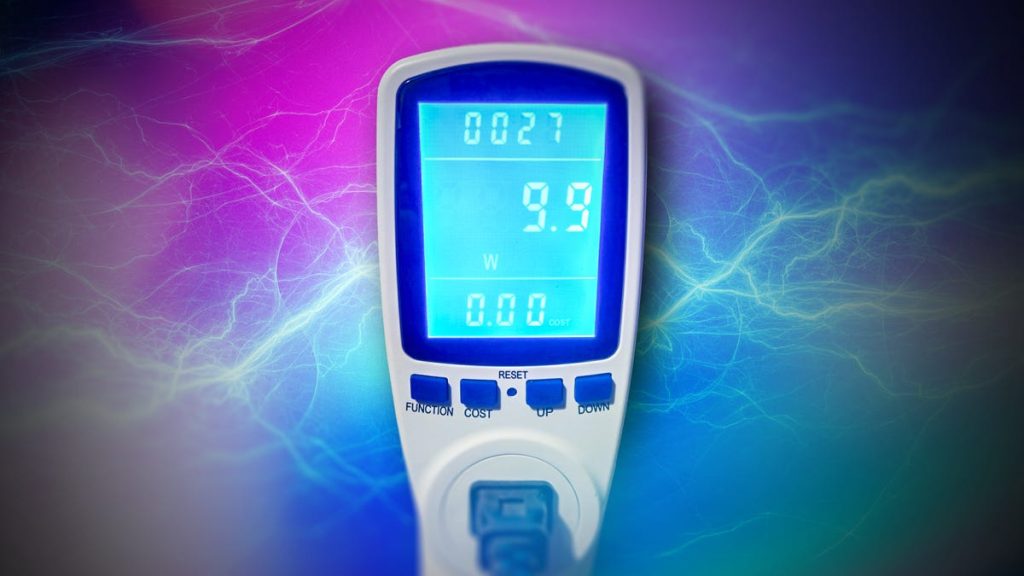
The widespread misconception that switching off devices eliminates their power consumption is costing American families dearly. According to federal energy officials, standby power consumption — often called phantom load — adds approximately $100 to annual household electricity bills. This silent energy theft occurs in virtually every room of modern homes.
I believe this issue deserves serious attention from homeowners who are genuinely concerned about their energy bills. However, I think many people overestimate the impact of smaller devices while completely ignoring the real culprits. To separate fact from fiction, I conducted a comprehensive audit using an inexpensive power monitoring device, testing 18 different household items to identify the most significant energy drains.
Testing Methodology and Limitations
My investigation had some practical constraints that homeowners should understand. High-voltage appliances like washing machines, dryers, and electric ovens require specialized 240-volt outlets that standard power meters cannot accommodate. Additionally, refrigerators present testing challenges since they cannot be powered down while maintaining their essential function.
Despite these limitations, I systematically evaluated nearly every device that could be switched off or placed in standby mode. This comprehensive approach covered home office equipment, living room electronics, kitchen appliances, bedroom devices, and exterior lighting systems.
Office Equipment: The Expected Suspects
Home offices typically harbor the most energy-intensive equipment, and my findings largely confirmed this expectation. My custom desktop computer consumed between 1.8 and 2 watts when completely shut down, escalating to 3.1 watts in sleep mode. While these numbers might seem modest compared to active operation, they represent continuous consumption that many users never consider.
Modern laptops proved more efficient but still notable. A high-end Framework 16 laptop drew 0.5 to 1.3 watts when powered off and 1.9 watts during sleep mode. I think this demonstrates why laptop users who frequently travel should consider their charging habits more carefully.
Surprisingly, my large 60-inch 4K television registered zero phantom load — a result that impressed me and suggests newer TV technology has improved significantly. However, the smaller 18-inch monitor still consumed 0.1 watts, proving that size doesn’t always correlate with efficiency.
Voice assistant devices present an interesting dilemma. These smart speakers consume 1.7 watts continuously since they must remain alert for voice commands. For households that rarely use voice features, this represents unnecessary consumption, but for families who rely on smart home integration, the convenience likely justifies the cost.
Gaming consoles showed reasonable efficiency, with the Nintendo Switch consuming 0.8 watts when off and 1.3 watts in sleep mode. Importantly, these figures remained consistent whether docked or in handheld mode.
Living Room: Where Convenience Costs
The living room revealed more significant variations in energy efficiency. While my older 50-inch RCA television consumed only 0.3 watts in standby mode, this still represented a step backward from the newer model’s zero consumption.
Gaming consoles in this space showed similar patterns to the office setup. The PlayStation 5 consumed just 0.1 watts when fully powered off but jumped to 1.5 watts in rest mode — a difference that frequent gamers should consider when deciding between power states.
The most shocking discovery emerged from testing the cable box, which consumed an alarming 19.9 watts while supposedly “off.” This massive phantom load stems from DVR functionality and instant-on features that keep the device in a high-power state. I believe this represents the single most important target for energy-conscious households, though the convenience trade-offs are significant.
Kitchen and Bedroom Results
Kitchen appliances showed more reasonable phantom loads across the board. The microwave led this category at 0.5 watts, followed by the coffee maker at 0.3 watts and air fryer at 0.2 watts. Electric kettles registered zero consumption, which I think makes them an excellent choice for energy-conscious consumers.
The most pleasant surprise came from testing a full-size mobile dishwasher, which despite its substantial size and power requirements during operation, showed zero phantom load. This demonstrates that appliance size doesn’t necessarily predict standby consumption.
Bedroom testing yielded mostly zero-consumption results, as expected in spaces designed for rest. Phone chargers, lamps, and even a humidifier showed no phantom loads, supporting the practice of leaving these devices plugged in for convenience.
The Verdict: Strategic Energy Management
After comprehensive testing, the cable box emerged as the clear villain, consuming nearly 20 watts continuously — equivalent to approximately $28 annually at typical electricity rates. This single device outpaced all other phantom loads combined.
However, I believe the practical approach to energy vampires requires nuanced thinking. Many high-consumption devices provide essential services that justify their phantom loads. Cable boxes enable scheduled recordings and instant channel access. Smart devices maintain network connectivity for remote control and automation.
The most effective strategy involves targeting specific behaviors rather than unplugging everything. Fully shutting down computers instead of using sleep mode can save meaningful energy, especially for households with multiple devices. Older electronics generally consume more standby power and should be prioritized for replacement or unplugging.
I think this issue matters most for households genuinely struggling with high electricity bills, while families with modest energy costs might find the convenience trade-offs not worth pursuing. The key lies in identifying your home’s specific energy vampires and making informed decisions about which battles are worth fighting.
Smart power strips, programmable outlets, and strategic unplugging during extended absences can help households capture savings without sacrificing daily convenience. The goal should be eliminating wasteful consumption while preserving the modern amenities that enhance quality of life.