
Revolutionary AI-Enhanced Accessibility Features Set to Transform Mobile Device Usage
The smartphone industry is witnessing a significant shift as artificial intelligence becomes deeply integrated into accessibility features, promising to revolutionize how users interact with their devices. While these developments are primarily designed to assist users with disabilities, I believe they represent something much more profound—a glimpse into the future of hands-free, intuitive device control that could benefit everyone.
What strikes me most about these upcoming features is how they blur the line between necessity and convenience. While accessibility tools have traditionally served specific user groups, these AI-powered enhancements seem poised to appeal to a much broader audience. This isn’t just about helping people with limitations; it’s about fundamentally changing how we all might use our devices in the coming years.
Natural Language Voice Commands: A Game-Changer for Everyone
The most compelling upgrade involves transforming voice control from rigid, command-based interactions to natural conversation. Instead of memorizing specific phrases or grid coordinates, users will be able to speak naturally—asking their device to “open the yellow folder” or “tap the restaurant guide.” This represents a massive leap forward in user interface design.
I think this feature will be transformative for professional environments where hands-free operation is crucial. Healthcare workers, mechanics, chefs, and countless other professionals could benefit enormously from truly conversational device control. However, I’m skeptical about its adoption in quiet public spaces where voice commands might feel intrusive or inappropriate.
Automatic Video Captioning: Beyond Accessibility
The introduction of AI-powered automatic captioning for personal videos addresses a genuine need that extends far beyond traditional accessibility concerns. This technology will generate subtitles for any video content lacking them, whether it’s user-generated content or professional media without proper captions.
From my perspective, this feature could be invaluable for content creators, educators, and business professionals who regularly share video content. The ability to automatically generate captions for training materials, presentations, or social media content could save countless hours of manual work. However, I worry about accuracy—AI-generated captions often struggle with accents, technical terminology, or poor audio quality, which could limit their practical utility.
Enhanced Visual Recognition: Seeing Through AI Eyes
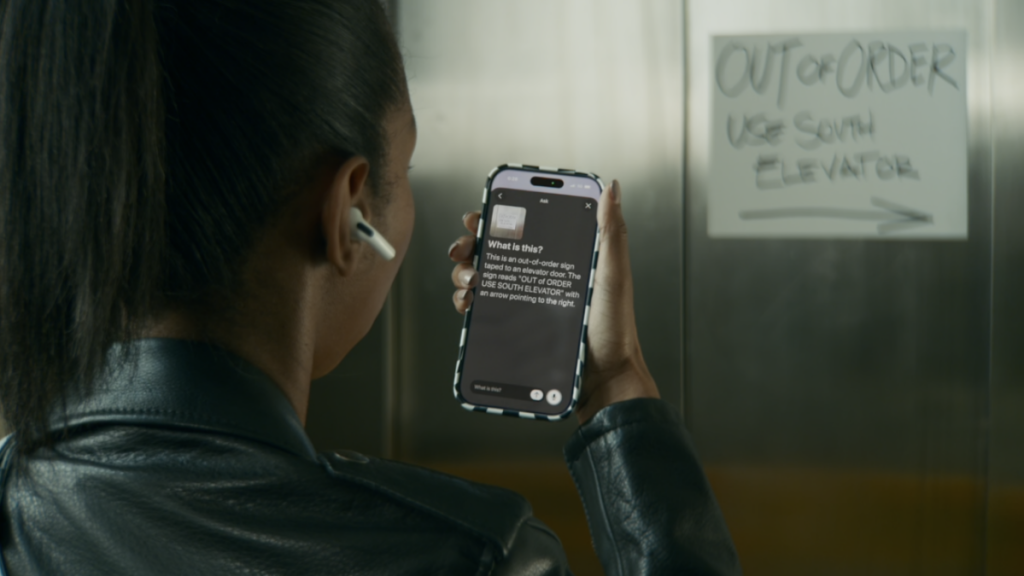
The expansion of screen reading and magnification tools to include comprehensive scene description represents perhaps the most technically impressive advancement. These features will allow devices to describe not just static images, but real-time camera feeds, enabling users to understand their visual environment through detailed AI narration.
While primarily designed for users with visual impairments, I see broader applications for this technology. Travelers navigating foreign signage, students analyzing complex diagrams, or professionals reviewing technical documents could all benefit from AI-powered visual analysis. The interactive nature—allowing follow-up questions in natural language—makes this feel like having a knowledgeable assistant constantly available.
Improved Reading Assistance: Tackling Complex Content
The enhancement of reading assistance tools to handle complex materials like scientific papers, multi-column layouts, and data tables addresses a significant gap in current accessibility technology. The addition of automatic summarization could prove particularly valuable for processing dense academic or professional content.
I believe this feature could revolutionize how students and researchers approach complex texts. The ability to quickly generate summaries and navigate challenging layouts could make academic literature more accessible to everyone, not just those with reading difficulties. However, I’m concerned about over-reliance on AI summaries potentially reducing deep reading skills and critical analysis abilities.
Mixed Reality Accessibility: Pioneering New Frontiers
The integration of accessibility features into mixed reality platforms, including wheelchair control through eye movements and motion sickness mitigation, demonstrates forward-thinking design. These additions suggest that accessibility considerations are being built into emerging technologies from the ground up rather than added as afterthoughts.
While the current user base for mixed reality devices remains limited, I think these accessibility innovations could accelerate adoption among users who previously couldn’t access such technology. The wheelchair control feature, in particular, could open entirely new possibilities for mobility-impaired users to interact with digital environments.
Who Benefits Most and Who Might Be Left Behind
These developments will undoubtedly benefit users with visual, auditory, or mobility impairments most directly. However, I believe the real winners will be early adopters who embrace these tools for productivity and convenience, regardless of whether they have traditional accessibility needs.
Unfortunately, users in regions with limited AI language support or those with older devices may find themselves excluded from these advances. The technology’s reliance on powerful processing capabilities could create a digital divide between those who can afford cutting-edge hardware and those who cannot.
Looking ahead, I’m convinced that these accessibility-focused AI features represent the beginning of a broader transformation in human-computer interaction. What starts as assistive technology often becomes mainstream—just look at how voice assistants, originally designed for accessibility, became ubiquitous consumer products. These new features feel like the next step in that evolution, potentially making our devices more intuitive and responsive for everyone.