
Top Smart Home Safes for 2026: Advanced Security Features and Tamper Detection
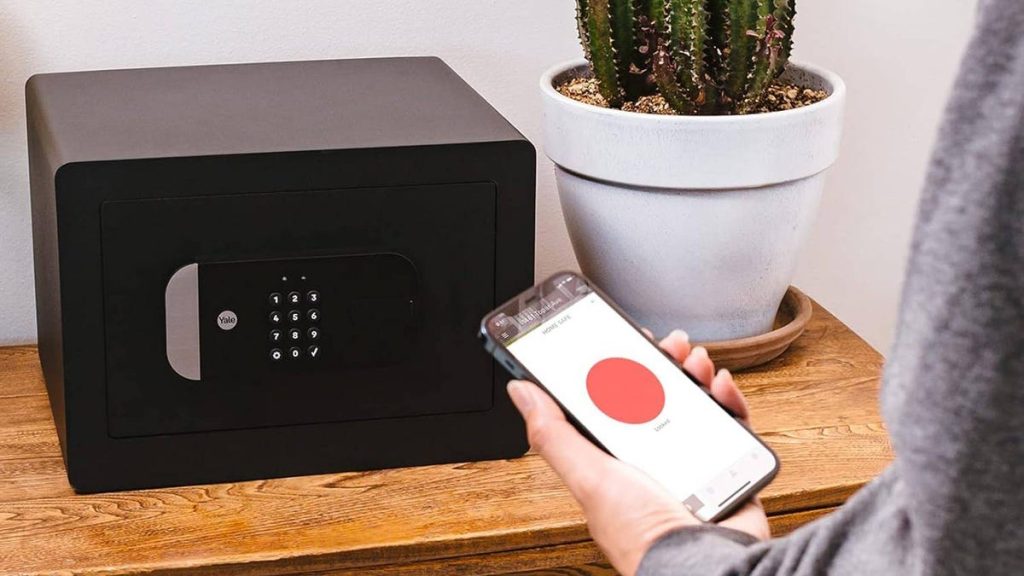
Home security has evolved dramatically, and modern safes represent one of the most significant advances in protecting valuable possessions. Today’s intelligent safes combine traditional physical security with cutting-edge technology, offering features like biometric access, smartphone connectivity, and real-time tampering alerts. In my opinion, this technological integration makes these devices far superior to traditional safes, though they’re not necessarily right for everyone.
Best Overall Smart Safe Choice
After extensive testing, I believe the Yale Smart Safe with Wi-Fi connectivity stands out as the premier choice for most homeowners. This device exemplifies what modern security technology should accomplish – seamless integration of convenience and protection. What impresses me most is its comprehensive approach to access control, supporting everything from traditional keypads to Apple Watch compatibility and voice assistant integration.
The anti-saw bolt construction demonstrates serious attention to physical security, while the tamper detection system provides peace of mind through instant smartphone notifications. However, I must note that this model lacks fire and water resistance, which could be dealbreakers for some users. This safe is perfect for tech-savvy homeowners who prioritize smart features and don’t mind connecting devices to their home network.
Compact High-Tech Option
The Lockly smart safe represents excellent engineering in a smaller package, though at a premium price point. At 0.096 cubic feet, it’s admittedly compact, but I find this size adequate for most critical items like passports, important documents, and jewelry. The fingerprint scanner’s responsiveness impressed me during testing, and the corrosion-resistant alloy steel construction with fireproof interior lining adds valuable protection.
Frankly, the setup process is more complex than it should be, but the resulting functionality justifies the effort. The rotating keypad feature is clever, and the mounting options address theft concerns effectively. At over $300, it’s expensive for its size, but I believe the security features warrant the cost for users storing high-value items in limited space.
Traditional Fireproof Protection
For those prioritizing maximum physical protection over smart features, the SentrySafe model offers exceptional value. This 1.23 cubic foot safe can withstand temperatures up to 1,700 degrees and complete water submersion – capabilities that smart safes often sacrifice for technological features. Weighing over 85 pounds, it’s practically immovable for potential thieves.
While it lacks sophisticated app controls or biometric access, I appreciate its straightforward reliability. The backlit keypad and internal locking drawer demonstrate thoughtful design. This safe suits homeowners who want maximum protection for important documents and aren’t concerned about remote monitoring capabilities.
Budget-Friendly Portable Option
The Honeywell portable safe fills a specific niche that larger safes cannot – emergency preparedness and transportability. At under $100, it offers remarkable value with both fire and water resistance in a grab-and-go format. While it lacks any smart features, I believe this simplicity can be an advantage for users who want reliable protection without technological complications.
This safe works best for people who need emergency document protection or frequently travel with valuables. However, its portable nature makes it vulnerable to theft if not properly secured, which limits its home security applications.
Biometric-Focused Security
The Verifi safe concentrates entirely on fingerprint access, supporting up to 40 different fingerprints with its TouchChip sensor technology. I find this specialization both a strength and limitation – excellent for families wanting personalized access but restrictive for users preferring multiple entry methods.
The battery monitoring system and tamper alerts with timestamps show attention to user experience details. However, the lack of fire and water resistance disappoints me, especially given the price point. This safe works best for users who prioritize biometric security above environmental protection.
Key Considerations for Smart Safe Selection
When choosing a smart safe, I believe capacity should be your primary consideration. Determine what you’ll store before selecting size – documents and jewelry require different space allocations. Weight matters significantly; most quality safes exceed 50 pounds, requiring two people for safe installation.
Biometric features add convenience but aren’t essential for everyone. I recommend fingerprint access for families sharing safe access, but keypads work perfectly well for individual users. Anti-tampering features justify the smart safe premium – receiving immediate alerts about unauthorized access attempts provides invaluable peace of mind.
Fire and water resistance remain crucial for document protection. House fires occur more frequently than most people realize, making these features worthwhile investments. However, smart safes often sacrifice some environmental protection for technological capabilities – a trade-off worth considering based on your specific needs.
Installation and Mounting
Proper installation significantly impacts security effectiveness. Portable safes offer convenience but create theft vulnerabilities. I strongly recommend mounting larger safes to floors or walls when possible. Many modern safes include mounting hardware, though installation typically requires basic tools and some DIY capability.
Smart Home Integration
Connectivity features vary widely among smart safes. Basic models offer smartphone apps for access management, while advanced versions integrate with voice assistants and home security systems. I find these features genuinely useful, though they’re not essential for everyone. Consider your existing smart home ecosystem when making selections.
Security and Privacy Concerns
Many potential buyers worry about smart safe hacking risks. In my assessment, these concerns are largely overblown. Quality manufacturers implement strong encryption and authentication protocols that make remote attacks extremely unlikely. However, if connectivity concerns you, most smart safes function perfectly well in Bluetooth-only mode or with Wi-Fi disabled.
Strong account passwords and two-factor authentication eliminate most remaining risks. The convenience and security benefits of smart features generally outweigh potential vulnerabilities for most users.
Testing Methodology and Durability
Evaluating safe security requires hands-on testing with various tools and attack methods. Quality safes should resist hammer blows, crowbar attempts, and basic lock-picking efforts. During testing, I focus on bolt mechanisms, door integrity, and keypad durability under stress.
Smart features require separate evaluation – app responsiveness, fingerprint accuracy, and notification reliability all impact daily usability. Battery life and replacement accessibility matter for long-term ownership satisfaction.
The best smart safes combine robust physical security with reliable technology integration. Cheap models often fail at both objectives, making mid-range and premium options worthwhile investments for serious security needs.